Starting points for simple concerns
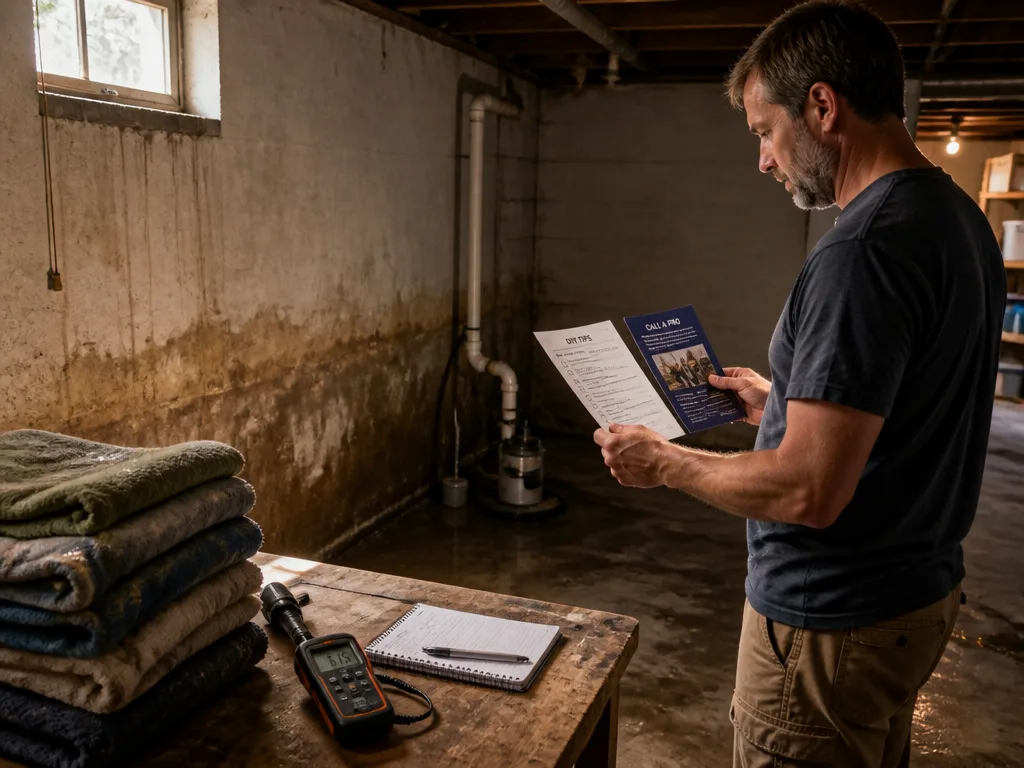
Some minor moisture issues can be managed at home with careful cleanup and ventilation. If you’ve had a minor spill or small leak from a recent storm, you can dab the area with towels, keep things dry, and monitor for additional dampness. Use a dehumidifier in affected rooms and ensure good air flow. Document what you did so the restoration specialist has a baseline when they arrive.
For most Kentucky homes, the key is to keep the issue from growing. If the area remains damp for more than 24 hours or if you notice any odors or staining returning after cleaning, it’s time to call in a restoration specialist.
When it’s time to call a restoration specialist
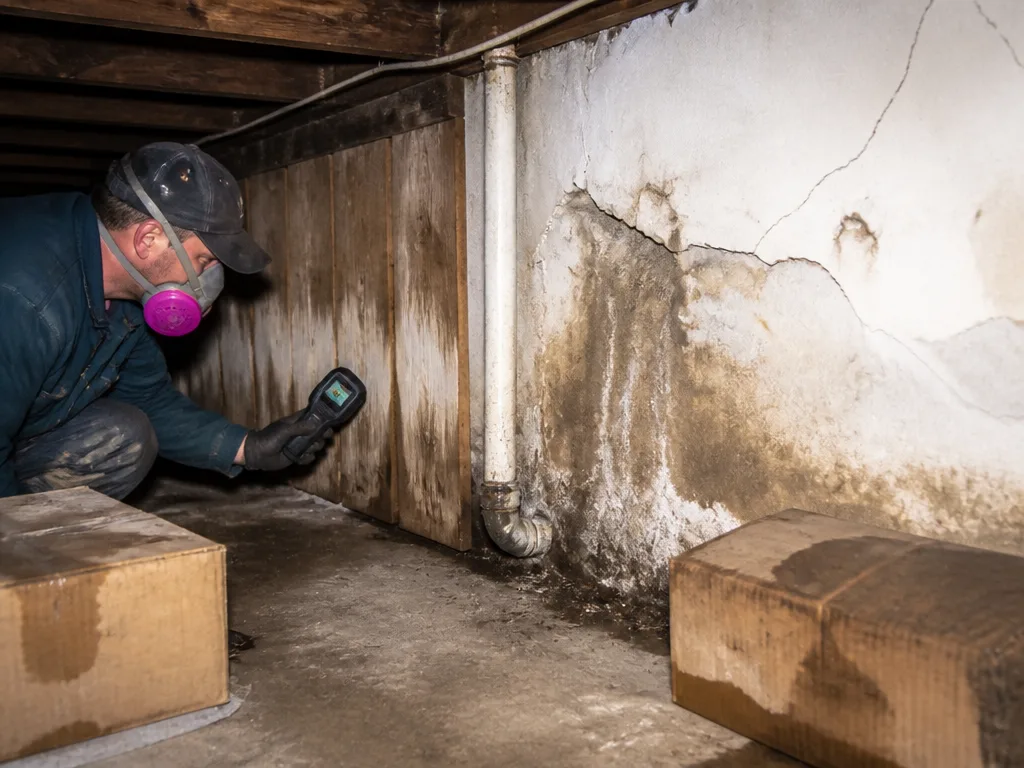
If there is visible flooding, a strong musty smell, or moisture appearing behind walls or under floors, professional help is the safer route. Our crew uses professional-grade equipment to map moisture, identify hidden pockets, and determine what needs drying or replacement. In Kentucky, these steps help prevent longer and more disruptive remediation later on.
Understand that a restoration specialist won’t just “dry things out.” They assess materials, plan containment to protect other rooms, and coordinate a careful cleanup that minimizes disruption to your daily life across the state.
What you can do now while you wait
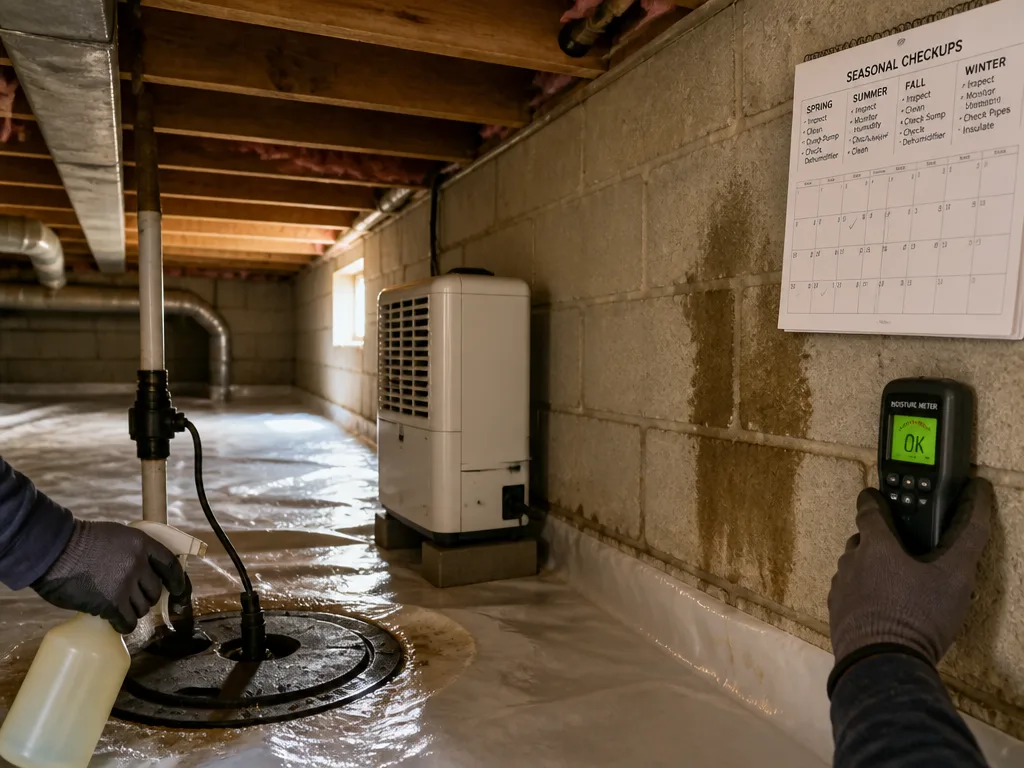
Close off the affected area to restrict airflow and keep kids and pets away. If you can, remove valuable items from the damp zone and start a light ventilation routine. Keep a log of dates and any new signs so the restoration specialist has a clear history when they arrive.
Across Kentucky, our crews bring the same steady, practical approach. You’ll get a careful assessment, honest timing, and a plan that respects your home and budget.
Bottom line
Small issues can be managed, but if you’re in doubt, don’t wait. A quick call to a restoration specialist can save you from bigger problems later on.