Spotting the early warning sign
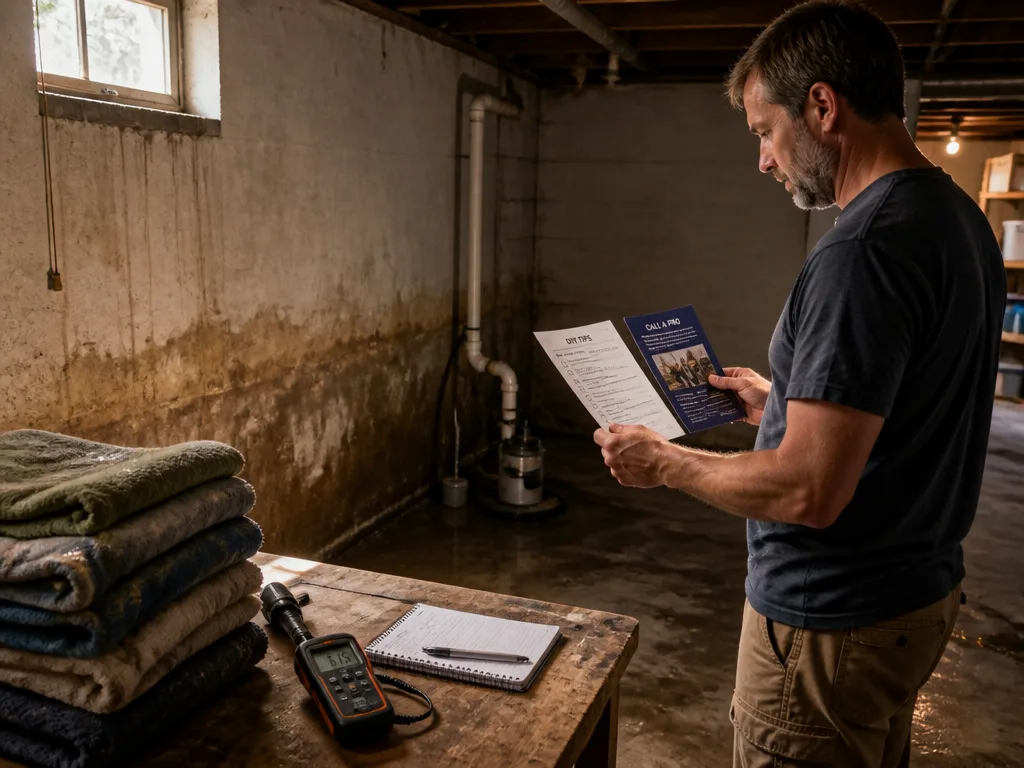
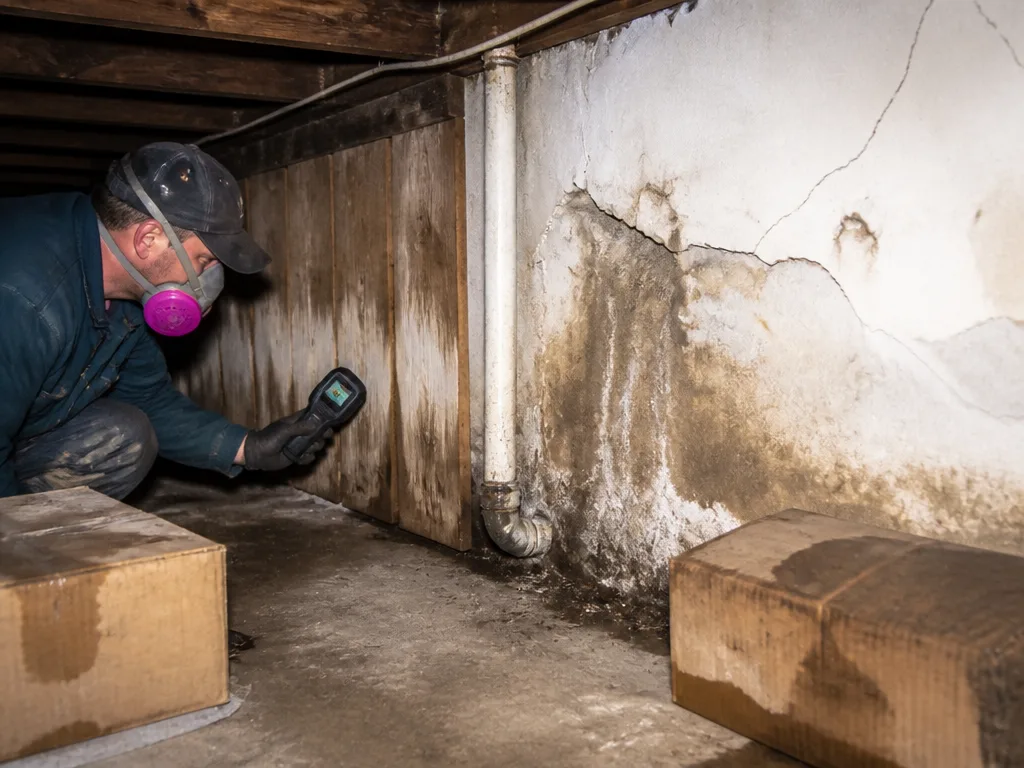
Water problems don’t always show up as a flood. In many Kentucky homes, the telltale sign is dampness that won’t go away after a humidity spike or rain. You might notice a musty smell, mineral stains on walls, or wallpaper buckling along baseboards. These aren’t cosmetic quirks; they’re signals that moisture has penetrated materials and could lead to structural issues if ignored.
Another red flag is a persistent, faint sound of running water or a slight increase in utility costs without a clear cause. If you’ve discovered moldy patches in corners, or your floors feel spongy after a rain, that points to ongoing moisture behind surfaces. A restoration specialist can assess the scope and plan a response that protects your Kentucky home from further damage.
Why these signs matter for Kentucky homes
Across Kentucky, homes face varying moisture challenges from seasonal rain to ground moisture and aging foundations. Early recognition helps keep damage from spreading into framing, insulation, and finishes. Restoration specialists bring a trained eye to identify where the moisture is traveling and which materials are affected.
Delaying a careful check can turn a manageable issue into a costlier project. In Kentucky, quick action matters because seasonal shifts can push existing moisture into vulnerable areas. If you see any of the warning signs described above, it’s worth having a professional look soon.
What to expect when you call a restoration specialist
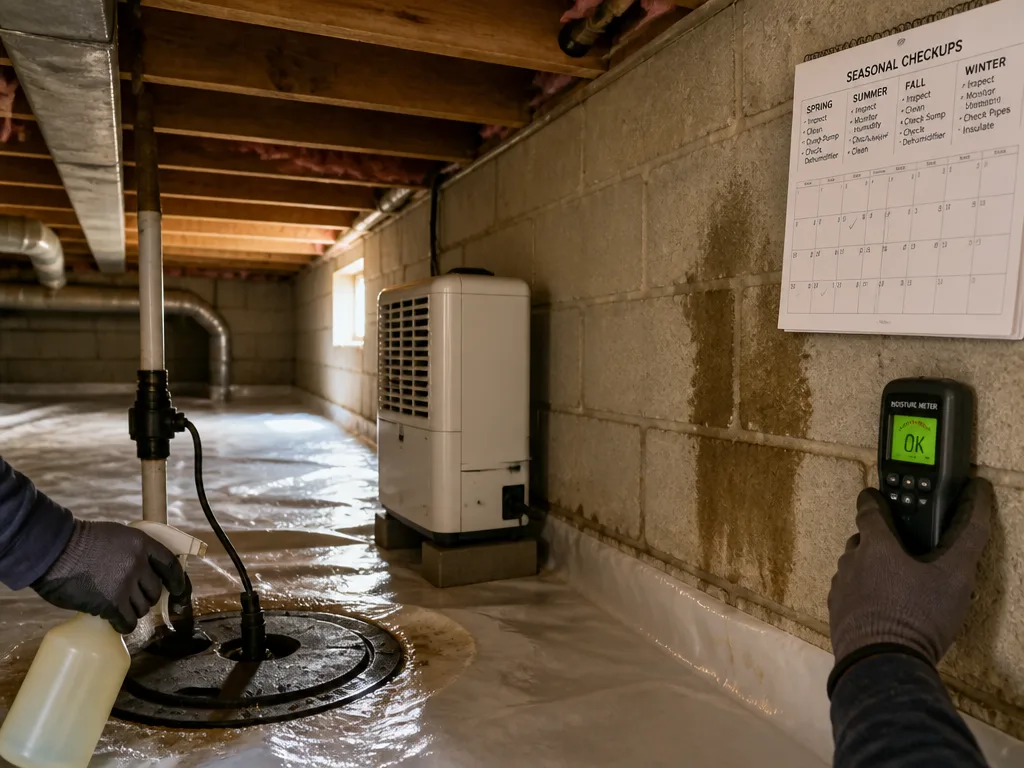
Our team at Kentucky Emergency Water will start with a careful visual check and move to moisture readings in problem areas. You’ll get a clear plan, with realistic timelines and what you’ll see during the process. We’ll explain what needs to be dried, what may need replacement, and what to expect in terms of disruption to your home life.
We serve crews in every Kentucky metro and rural area, so you won’t be waiting for weeks. The goal is to restore your home without unnecessary delay while protecting your family and belongings.
Quick reference checklist
- Note damp spots, stains, or odors.
- Document dates of rain events and any related symptoms.
- Schedule a visit from a restoration specialist for an assessment.